


Are Handmade Freeze-Dried Sweets Worth Buying?

Last Updated: November 8, 2026
Quick Summary
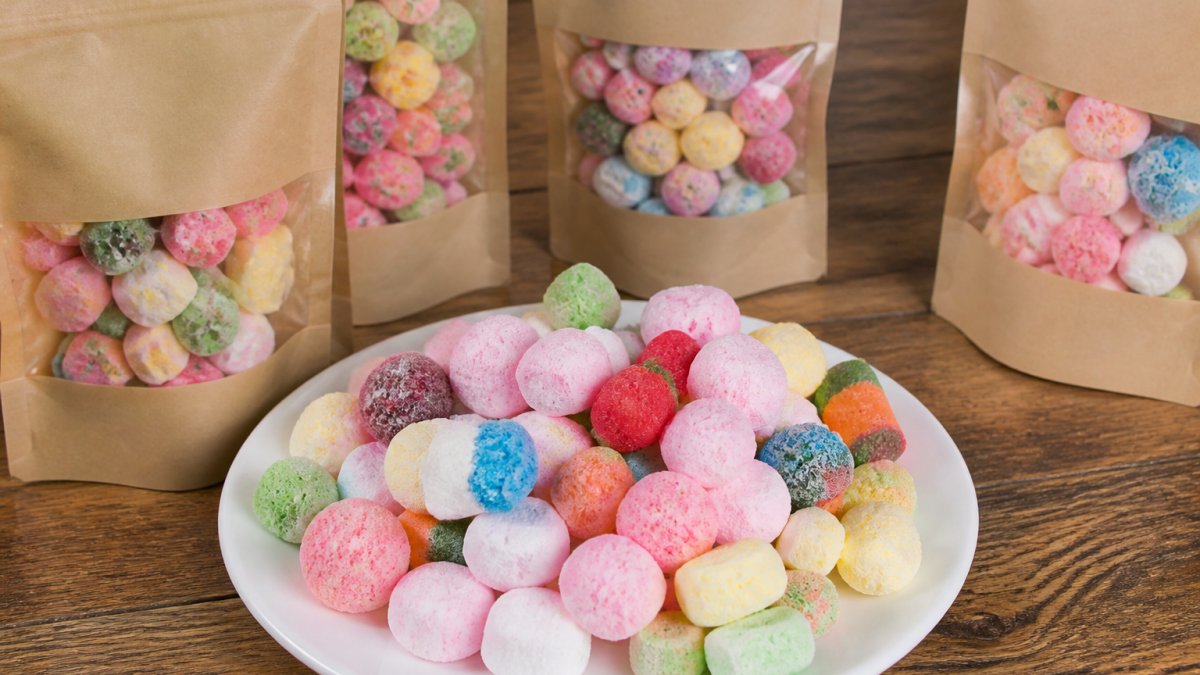
Handmade freeze-dried candy is sweets dried in small batches so almost all moisture is removed, giving a light, crunchy texture and far more intense flavour than the original sweet. Buying handmade means you can check who freeze-dries in-house, how the sweets are packed, and what the label discloses before you order.
Freeze-drying freezes sweets solid, then turns the ice straight into vapour through sublimation, so nothing melts.
Sweets should go into heat-sealed moisture-barrier pouches quickly, ideally with an oxygen absorber inside.
Store freeze-dried sweets sealed, dry and cool, skip the fridge, and eat within a few days of opening.
Freeze-drying does not remove allergens, so always read the allergen information on the pouch.
Compare cost per serving rather than per bag, and add the delivery charge before comparing two sellers.
Want sweets that actually arrive crunchy?
We freeze-dry our own sweets and let you build a custom pick and mix box.
Table of Contents
Why Handmade Freeze-Dried Candy Changes the Snacking Experience
Freeze-Dried Candy vs Regular Candy: Texture, Flavour and Sweetness
Are Freeze-Dried Sweets Safe to Eat? Allergens, Handling and Hygiene
What Handmade Freeze-Dried Candy Costs, and What You Get for It
Ordering Your Handmade Freeze-Dried Sweets from Sweet Junkies
Why Handmade Freeze-Dried Candy Changes the Snacking Experience
Handmade freeze-dried candy is sweets that have had almost all their moisture removed in small batches, leaving a light, crunchy texture and a much more intense flavour than the original sweet. This guide from Sweet junkies explains what you gain when you buy handmade rather than mass-produced, and how to tell a good seller from a careless one.
The difference starts with texture. A gummy sweet that once chewed now shatters. A marshmallow turns into a cloud that dissolves on the tongue. That transformation is the whole appeal, and it is why so many people who try one bag come back for a mixed box.
Below, we will show you exactly what to check before you order, what a fair price looks like, and how to store your sweets so the crunch survives past the first day.
How Freeze-Dried Candy Is Made, and Why Small-Batch Matters
Freeze-drying works by freezing the sweets solid, then lowering the pressure and gently warming them so the ice turns straight into vapour. The technical name for that step is sublimation. Nothing melts, so the sweet keeps its shape while the water leaves.
Small-batch production matters because the process is unforgiving. Load the trays too deep and the middle stays chewy. Pull the batch too early and the centre goes soft within a day.

From Freeze Dryer to Sealed Pouch
The moment a batch leaves the dryer, it starts pulling moisture back out of the air. That is why packaging is half the job. Sweets should go into a moisture barrier pouch and be sealed quickly, ideally with an oxygen absorber inside. A seller who bags by hand in small runs can do this fast. A large operation packing thousands of units a day has more time for moisture to creep back in.
Freeze-Dried Candy vs Regular Candy: Texture, Flavour and Sweetness
The short answer: freeze-dried candy is lighter, crisper and far more flavour-dense than the regular version of the same sweet. Because the water is gone, every bite delivers more sugar and more fruit or sour note per gram.
Here is how the two compare in practice:
Feature | Regular Candy | Freeze-Dried Candy |
Texture | Chewy, sticky or soft | Airy, crisp, shatters easily |
Flavour | Milder, diluted by water | Concentrated and sharper |
Weight per piece | Heavier | Very light |
Mess | Can stick to teeth | Crumbles cleanly |
Best for | Long chews | Quick, intense snacking |
The sweetness catches people out. A sour gummy becomes genuinely sharp. A fruit sweet tastes like the fruit has been doubled. If you normally find shop sweets too mild, this is the fix. If you have a very sweet tooth, start with marshmallows, which stay gentler.
How to Store Freeze-Dried Sweets So They Stay Crisp
Keep them sealed, keep them dry, and keep them cool. That is the whole rule. Freeze-dried sweets are hygroscopic, meaning they absorb moisture from the air, and a soft sweet is a spoiled sweet in this format.
Leave the sweets in their original sealed pouch until you eat them
Reseal an opened bag tightly, pressing out the air
Store away from kettles, cookers and steamy bathrooms
Skip the fridge: condensation forms every time you open the door
Eat within a few days of opening for the best crunch
A common mistake is tipping the whole bag into a pretty jar for a party table. Within an hour or two the sweets start to soften. Pour out what you need and seal the rest.
Are Freeze-Dried Sweets Safe to Eat? Allergens, Handling and Hygiene
Yes, freeze-dried sweets are safe to eat when they are made and stored properly. The drying process does not sterilise food, so hygiene before and after drying is what keeps a batch safe.
Freeze-drying does not remove allergens. If a sweet contains milk, soya, gluten or nuts, the freeze-dried version does too. Always read the allergen information on the pouch rather than assuming a lighter sweet is a safer one.
Watch out: sweets that shatter into sharp shards are not ideal for very young children or anyone with delicate teeth or braces. Let them dissolve rather than crunch.
How to Judge a Handmade Seller Before You Order
Most guides tell you to "buy from a reputable seller" and stop there. That is not much help when you are staring at two nearly identical websites and trying to work out which one will send you a crisp bag rather than a soft one. The practical approach is to judge the seller on five things you can actually check before you spend: who makes the product, how it is packed, what the label discloses, what past buyers say about arrival condition, and how the seller responds when something goes wrong.
Who makes it. A genuine handmade seller runs their own freeze dryer and can tell you batch sizes, turnaround times and which sweets are in season. Ask directly: "Do you freeze-dry in-house, and how large are your batches?" A reseller who buys in bulk and rebags will usually dodge the question or answer vaguely. There is nothing wrong with reselling, but you are paying a handmade premium and should know which one you are getting.
How it is packed. Look for heat-sealed moisture-barrier pouches rather than clip-top bags or cellophane, and protective padding in the outer box. If the product page shows loose sweets in a jar or a bag tied with a ribbon, treat that as a warning about shelf life rather than a charming detail.
What the label discloses. Allergen information should be listed per product, not buried in a single "may contain" line covering the whole range. Ingredients should be specific enough that you can spot milk, soya, gluten or nuts without emailing to ask. If a seller cannot tell you what is in a bag before you buy, that is a reason to walk away.
What reviews say about arrival. Do not just read the star rating. Search the reviews for the words "crushed", "soft", "stale" and "broken". A handful of crushed-bag complaints across hundreds of orders is normal for a fragile product; a pattern of soft or clumped arrivals points to a packaging or storage failure. Reviews that mention replacement without argument are a good sign, because they show the seller stands behind the product.
How they respond. Send one question before you order, ideally about allergens or dispatch times, and note how clearly the seller answers.
Watch out: a polished website and a large social media following are not evidence of careful production. Plenty of well-marketed sellers rebag bought-in stock, and the only way to tell is to ask the in-house question directly and read the answer carefully.
What Handmade Freeze-Dried Candy Costs, and What You Get for It
Handmade freeze-dried candy costs more than a supermarket multipack, and it should. You are paying for small batches, careful packing, and a product that a warehouse-sized machine did not make. The useful question is not whether it costs more, but what the extra spend buys you. Here is how to work that out without relying on vague savings claims.
Compare by serving, not by bag. A 100 g bag of freeze-dried sweets looks small next to a 200 g bag of regular chews, but the two are not equivalent. Freeze-drying removes most of the water, so a freeze-dried sweet is far lighter per piece and the flavour is more concentrated. Weigh out a typical serving of each and compare the cost per serving rather than the cost per bag.
Look at what the premium actually pays for. A mass-produced bag can undercut on price precisely because it skips some of that attention. Whether that trade is worth it depends on how much you value crunch that survives the journey and a label you can trust.
Judge value by waste. This is why the seller-evaluation checks matter as much as the price tag: the cheapest listing from a careless packer is usually the most expensive per edible sweet.
Check the delivery cost and the packaging together. Postage and packing are part of the real price, so add the delivery charge to the product price before you compare two sellers. Add the delivery charge to the product price before you compare two sellers.
Be sceptical of unsupported savings claims. You will see handmade sellers claim their product is "better value" or "lasts longer" without qualification. Shelf life depends on moisture exposure, packaging and storage, not on the label alone, so treat any longevity claim as a question to ask rather than a fact to accept.
Watch out: a very low price per bag from a handmade seller is worth a second look. It can mean smaller weights, bought-in stock, or thin packaging, and any of those undermines the reason you chose handmade in the first place.
Pricing depends on the mix, the weight and the delivery, so please check the Sweet junkies website for current prices or request a quote.
Ordering Your Handmade Freeze-Dried Sweets from Sweet Junkies
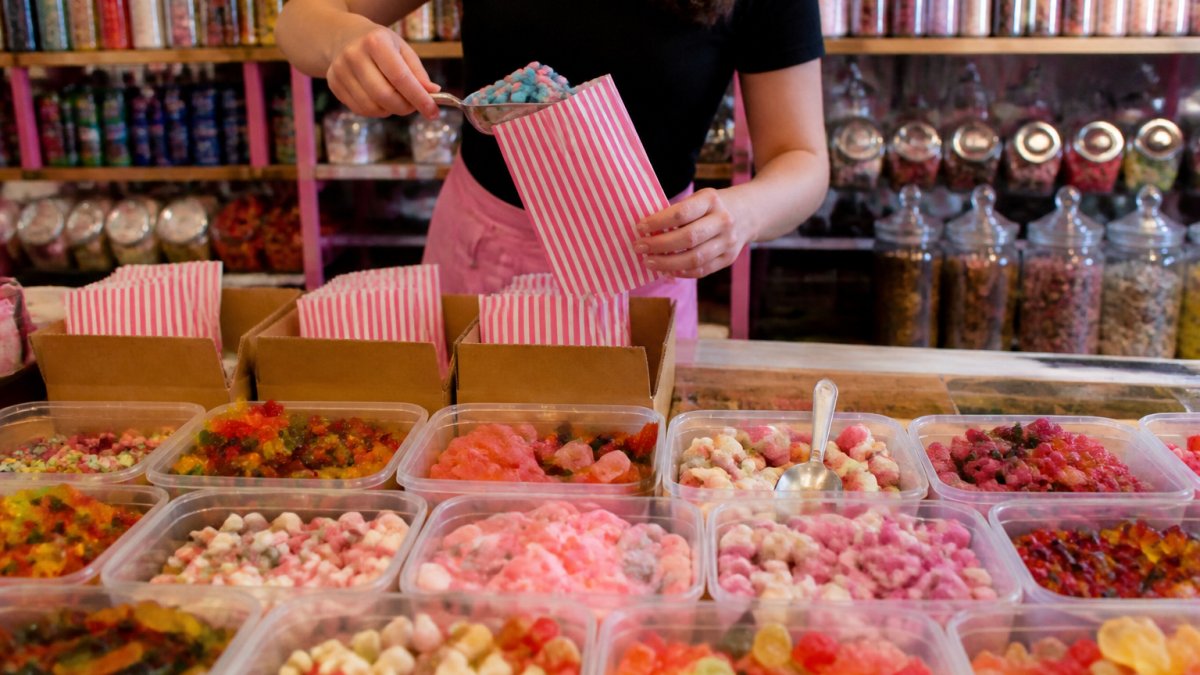
At Sweet junkies we run a large traditional pick and mix shop alongside our own freeze-dried range, so you can build a box that mixes retro and modern sweets. We freeze-dry our sweets ourselves rather than reselling.
You can also add American drinks and international crisps to the same order.
Ready to build your own mix? Order your handmade freeze-dried sweets and choose exactly what goes in the box.
The gap between a good bag and a disappointing one comes down to freshness and packing, not the sweet itself. If you want a mix built to order, with allergens listed and a real shop behind it, Sweet junkies can help. Our pick and mix range lets you combine retro and modern sweets, our freeze-dried batches are made in-house, and we stock American drinks and international crisps to round out the order. Get started with Sweet junkies and build a box that arrives crisp.
Frequently Asked Questions
What are the benefits of buying handmade freeze-dried candy?
Handmade freeze-dried candy is made in small batches, so each batch gets closer attention than mass-produced lines. You get a lighter, crunchier bite and more concentrated flavour.
How is freeze-dried candy made?
Sweets are frozen, then placed in a freeze dryer where the ice turns directly to vapour under low pressure, a process called sublimation. That removes the moisture that normally makes candy chewy. What's left is a dry, airy piece with the same shape but a crisp bite.
How should freeze-dried sweets be stored to keep them crunchy?
Keep them in the sealed pouch they arrived in, or move them to an airtight container once opened. Moisture is the enemy: a single humid day can soften the crunch. Store them somewhere cool and dry, away from kettles, dishwashers and steamy kitchens.
Are freeze-dried sweets safe to eat?
Freeze-dried sweets are safe when made and packed hygienically, but they are still sweets. Check the allergen information on the packaging, especially for milk, soya, gluten and nuts, and check the packaging for allergen information. The dry, crunchy texture can be hard on braces or sensitive teeth, so take care. They are not a low-sugar food, so treat them as a treat.

Comments