


How Do You Package Sweets for Shipping?

Last Updated: November 15, 2026
Quick Summary
To package sweets for shipping, place them in an airtight container inside a rigid corrugated box lined with cushioning, leaving roughly 5 cm of cushioning space on every side so nothing touches the box wall. Wrap each item separately, fill every gap with void fill, and shake the box gently to confirm nothing moves.
B-flute and C-flute single-wall grades cope with most sweet orders, while double-wall BC-flute suits heavier loads.
Use a box no more than about a third empty once packed, otherwise switch to a smaller carton.
Never reuse boxes that held cleaning products or strong-smelling goods because corrugated board absorbs odours.
Cool homemade sweets completely before packing, since warm baked goods trap steam that softens biscuits.
Photograph the outer box, inner packaging and damaged sweets before disposing of anything when making a claim.
Want sweets that arrive whole, not crushed?
Sweet junkies packs custom pick and mix and handmade freeze-dried sweets with care, so they reach you fresh.
Table of Contents
What You'll Need to Package Sweets for Shipping
Getting the right kit together first makes the whole job faster. The supplies below cover the kinds of orders this kind of shop sends.

Here is a general packing list:
A corrugated box in the right size, ideally one with rigid walls
Bubble wrap for wrapping individual items
Tissue paper and parchment paper for separating layers
You do not need every item for every order. A small bag of hard sweets needs far less than a box of chocolate truffles. Match the supplies to the sweets, and you will spend less while still protecting the goods.
Choosing the Best Packaging for Shipping Sweets
A rigid corrugated box lined with cushioning, with sweets held inside an airtight container, protects against crushing, moisture and movement. 'A corrugated box' covers a wide range, though, and the grade you pick affects whether sweets survive a sorting hub.
Some online sweet sellers rely on a single flimsy mailer, but the box is a small part of the order cost, so cutting corners here rarely makes sense.
Matching the container to the sweets
Container type | Best for | Watch out for |
Single-wall corrugated carton | Hard-boiled sweets, wrapped pick and mix, freeze-dried pieces | Crushes easily if the box is oversized |
Double-wall corrugated carton | Chocolate, fudge, truffles, gift boxes, glass jars | Heavier, so postage band can rise |
Padded mailer | Small bags of hard sweets only | No rigidity; anything crushable will arrive flat |
Rigid tin or food-grade plastic tub inside a carton | Truffles, fudge, decorated cakes | Adds weight and cost; needs its own cushioning |
Some small sweet sellers buy one box size and fill the spare space with void fill, which works but can be wasteful. Buying a few carton sizes that match common product dimensions can reduce both packaging cost and movement.
Board grade and box strength
Corrugated board is graded by the flute inside it. B-flute and C-flute are the common single-wall grades and cope with most sweet orders. For heavier loads, say a large pick and mix hamper or several glass jars, a double-wall BC-flute carton is the safer choice. The box should feel rigid when you press the sides together; if it flexes easily, it is too light for the weight you are putting in it.
Sizing rules that prevent damage
Leave roughly 5 cm of cushioning space on every side of the contents.
Never let the contents touch the box wall directly.
Keep heavy items at the bottom and light, crushable items on top.
Food-safe packaging rules
Use only packaging manufactured for food contact, or line non-food boxes with a food-grade bag.
Never reuse boxes that held cleaning products, chemicals or strong-smelling goods; corrugated board absorbs odours.
Check that inks and adhesives on printed boxes are suitable for indirect food contact, or keep sweets in an inner sealed bag.
Double boxing for fragile and gift orders
Double boxing means placing the packed inner box inside a slightly larger outer carton with cushioning between the two. It is a common method for gift hampers and chocolate boxes.
Think of the box as the skeleton and the cushioning as the muscle. Both have to work.
Shipping Sweets Without Them Breaking
To ship sweets without them breaking, wrap each piece or small bag separately and fill every gap so nothing can shift. Movement causes more damage than a single drop.
Follow these steps:
Wrap individual items in bubble wrap or tissue paper.
Place a cushioning layer at the bottom of the box.
Pack items snugly so they cannot slide.
Fill all empty space with void fill.
Add a top cushioning layer before sealing.
Shake the box gently. If anything moves, add more fill.
A common mistake is leaving a gap at the top. The box looks full until it is turned over, then everything drops. Fill it properly and your sweets arrive whole.
How to Stop Sweets Melting in the Post
Chocolate and soft sweets melt when they sit in a warm van or a sunny doorstep. Thermal protection is the answer, not luck.
Use these tactics to keep sweets cool:
Ship chocolate and fudge in cooler months where possible
Add insulation such as a padded liner or bubble wrap layers
Use a thermal protection pouch for very heat-sensitive items
Choose expedited shipping so sweets spend less time in transit
Temperature-sensitive sweets like truffles need the most care, while hard-boiled sweets and freeze-dried pieces generally cope better with warm weather.
How to Send Homemade Sweets
Homemade sweets need extra care because they have no factory seal. The trick is to make them shelf-stable before they ever reach a box.
A general approach for homemade gifts:
Cool everything completely before packing
Wrap biscuits and cakes in parchment paper first
Place soft items in an airtight container
Add a moisture barrier so cakes do not go soggy
Watch out: packing warm baked goods traps steam inside the box. That steam softens biscuits and turns icing sticky. Let everything reach room temperature first, then seal.
Legal and Regulatory Compliance for Sending Sweets
Food sent by post must meet food safety and labelling rules. In the UK, the Food Standards Agency sets the standards that apply to selling and sending food, and distance sellers have extra duties around allergen information.
Before you post sweets, check these points:
List all allergens clearly, including nuts, milk, gluten and soya
Keep a full ingredient record for anything you make yourself
Use food-safe packaging that will not taint the sweets
Check the carrier's rules on sending food and perishable goods
The Food Standards Agency guidance on food safety and hygiene is the place to start for allergen and labelling rules. If you send internationally, customs rules vary by country, so confirm before you post.
Troubleshooting Damaged or Melted Deliveries
Sometimes a parcel arrives crushed or soft despite careful packing. A clear troubleshooting routine saves repeat orders, and a clear claims and carrier routine saves money. This section covers what to do after the parcel leaves you.
Diagnose the cause first
Problem | Likely Cause | Fix |
Crushed sweets | Too little cushioning, oversized box | Add bubble wrap and void fill, downsize the carton |
Melted chocolate | No insulation, slow transit, doorstep dwell time | Use a thermal liner, expedited service, and a safe-place or collection option |
Sticky, damp sweets | No moisture barrier | Add a sealed bag or airtight container |
Items shifted in transit | Empty space in box | Fill every gap before sealing |
Broken biscuits | Loose packing | Wrap each piece and layer with tissue paper |
Damaged outer box, intact sweets | Carrier handling | Log it, but no replacement needed |
Watch out: if the same problem recurs across several orders, the fault is almost always in your packing standard or your box size, not the carrier. Fix the process before you blame the delivery.
Choosing a carrier for sweets
Carrier choice affects damage rates, transit time and cost. The main options for UK sweet sellers are Royal Mail, Parcelforce, and the large parcel networks such as Evri, DPD and Yodel, plus specialist couriers for temperature-sensitive goods. Consider these four points when comparing them:
Transit time: next-day and 48-hour services reduce melt risk in warm months.
Handling profile: parcel networks sort at speed; double boxing pays off more with them.
Collection and safe-place options: a parcel left on a sunny doorstep is a melt waiting to happen.
Claims terms: check the compensation limit per parcel and whether food is excluded or restricted.
A common pattern is to use one carrier for standard orders and a premium service for chocolate and gift hampers. That keeps average postage down while protecting the orders most likely to generate a complaint.
Making a claim when a parcel arrives damaged
Photograph the outer box, the inner packaging and the damaged sweets before you dispose of anything.
Keep the original packaging until the claim is settled; carriers often ask for it to be returned or inspected.
Check the carrier's claim window, many require notification within a set number of days of delivery.
Submit the claim with proof of postage, the tracking number, photos and the order value.
Record the outcome so you can see which carrier and service generate the most claims.
If the carrier excludes food or limits compensation, factor that into your pricing rather than absorbing every loss.
Calculating the true cost of a damaged order
A damaged order can cost more than the sweets themselves. Work out your real cost per failure:
Product cost of the replacement
Packaging cost of the replacement
Outbound postage on the replacement
Any return postage you cover
Add those together and compare them with the cost of upgrading packaging or postage on every order. If a thermal liner and an expedited service cost less per order than your average failure cost multiplied by your failure rate, the upgrade pays for itself.
Reducing failures before they happen
Set a minimum packing standard and check a sample of parcels each week.
Use the shake test: if anything moves, add fill.
Pause chocolate shipments during heatwaves or switch to a premium service.
Offer a collection or locker option so parcels are not left outside.
If a delivery does fail, replace it quickly and note what went wrong. Tracking information tells you where delays happened, which helps you choose a better shipping carrier next time, and over a few months, that record becomes the most useful pricing and packaging tool you have.
Ordering Sweets That Arrive Intact
Sweet junkies packs its orders with care, and the sections above describe general packing practice.
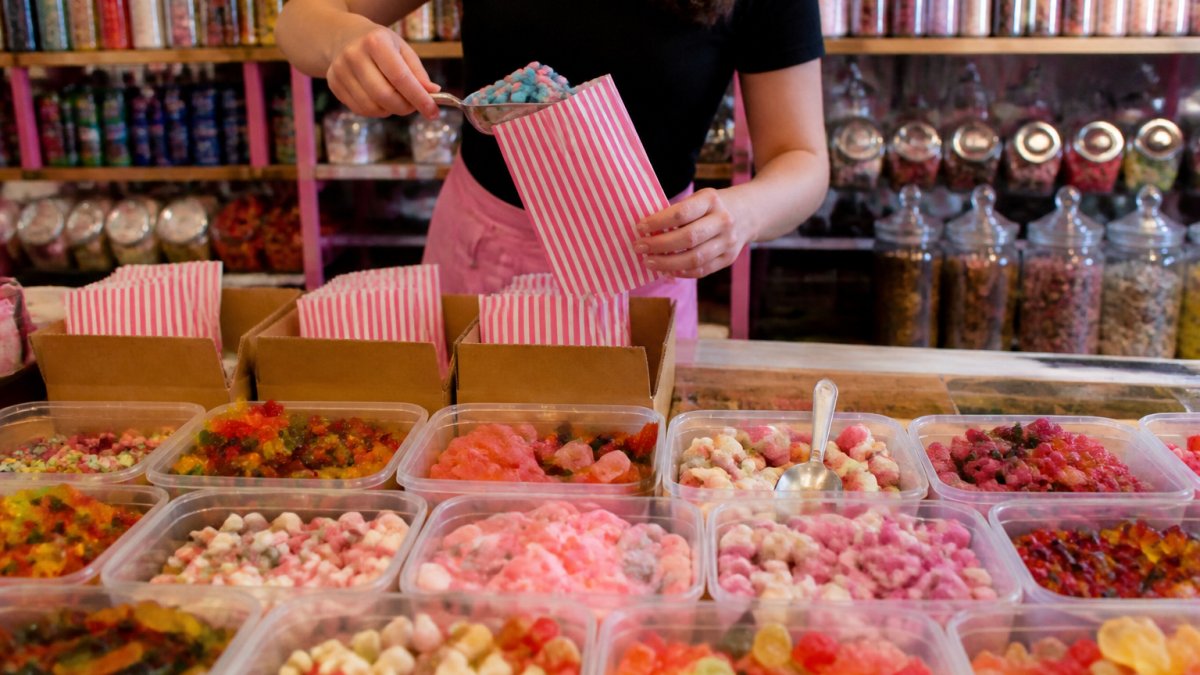
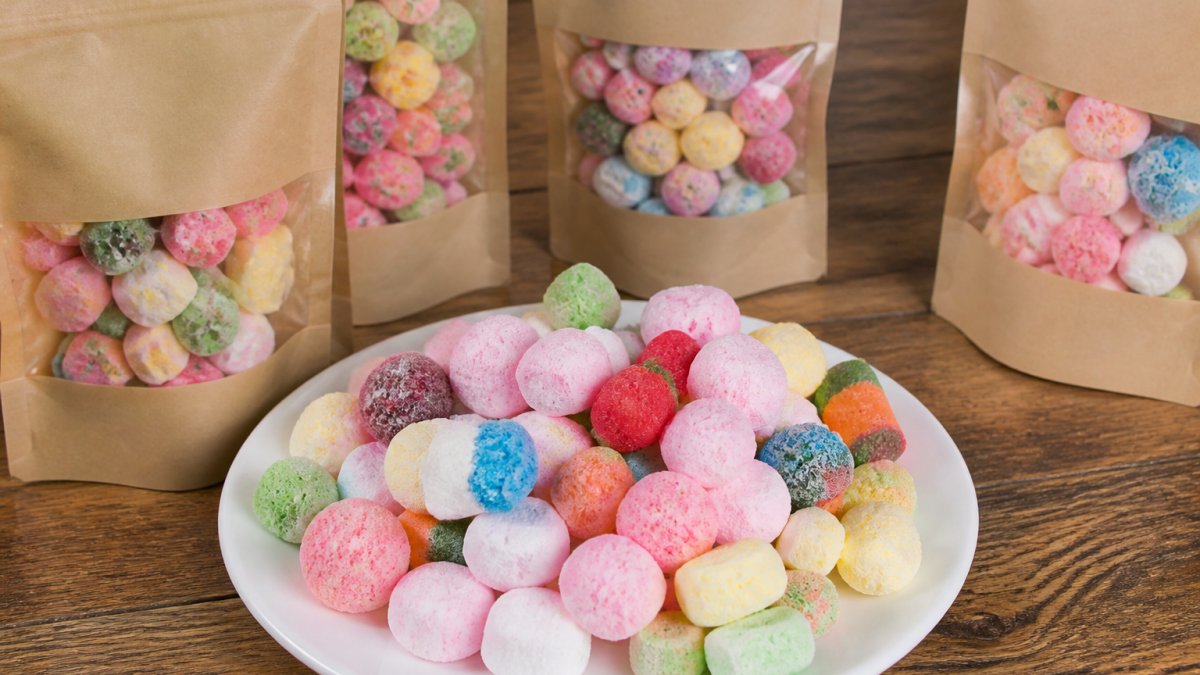
We run a large traditional pick and mix, with retro favourites, modern sweets and freeze-dried sweets made on site.
A few reasons customers choose Sweet junkies:
The largest variety of sweets in one place
A unique traditional style sweet shop feel
Handmade freeze-dried sweets made on site
American drinks and international crisps alongside the sweets
Spending enough to qualify for free delivery and choosing larger boxes or mixes can give you more variety.
Ordering online should mean sweets that arrive in one piece.
Frequently Asked Questions
Can you send sweets in a padded envelope?
Only for hard, individually wrapped sweets that cannot be crushed, such as boiled retro sweets. Padded envelopes offer little protection against pressure or heat, so soft sweets, chocolate and freeze-dried pieces are better packed in a rigid container inside a corrugated box. If you want to package sweets for shipping safely, treat a padded envelope as a last resort for the toughest items only.
How do you stop sweets melting during delivery?
Choose chocolate and fudge deliveries for cooler days, add a thermal barrier and an ice pack for warm weather, and mark the parcel clearly. Faster shipping can reduce the time sweets spend in transit, and posting early in the week can help avoid weekend depot delays. For how to stop sweets melting in the post, temperature control and short transit time matter more than any single product.
Should sweets be wrapped individually before shipping?
Individually wrapping sweets gives each piece its own cushion and stops flavours and colours mixing, which matters most for pick and mix and homemade items. Wrapped sweets also survive handling better when they are packed loose in a box. For freeze-dried sweets, keep them in an airtight container first, then wrap, so they stay crisp rather than softening in the post.
How long do sweets last once packaged for delivery?
Shelf-stable sweets such as boiled sweets, hard gums and freeze-dried pieces keep for weeks or months if sealed in an airtight container away from heat and moisture. Chocolate and homemade bakes are shorter-lived, so send them with a best-before date and a note to store them somewhere cool. Always check the label before posting and never send anything past its date.

Comments